


Hygiene as a Growth Engine, Not a Cost Center
Published On
September 4, 2026
Author

By Shannon Richkowski, RDH & Dr. Eric Adler
What if your hygiene department could do far more than fill the schedule and provide preventive care?
For many practices, hygiene is one of the most consistent points of connection with patients. Hygienists spend meaningful time building trust, uncovering concerns, and helping patients understand what is happening with their oral health. That makes the hygiene department uniquely positioned to influence both the patient experience and the overall growth of the practice.
When hygienists are aligned with the doctor’s standard of care and trained to participate in co-discovery, their role expands well beyond the cleaning itself. They become trusted advisors who can help patients recognize needs, understand solutions, and feel more confident about moving forward with treatment.
That is when hygiene stops being viewed as a cost center and starts functioning as a true growth engine.
Start With Alignment Around the Standard of Care
A strong hygiene department begins with alignment between the doctor and hygienist.
The doctor first needs to define the practice's standard of care and the services the practice wants to provide. From there, the hygienist needs to understand and believe in that same approach.
If the doctor wants to grow implant dentistry, clear aligner therapy, sleep dentistry, or another area of care, the hygienist should understand what the practice is looking for and why. They also need an agreed-upon assessment process that helps identify patients who may benefit from those services.
That does not mean the hygienist takes over the doctor's role in diagnosis. It means the hygienist becomes an active participant in the discovery process.
When the doctor and hygienist are looking for the same things, using the same tools, and working toward the same standard of care, patients receive a much more cohesive experience.
Create a Co-Discovery Process
One of the most valuable shifts a practice can make is moving from doctor-only discovery to co-discovery.
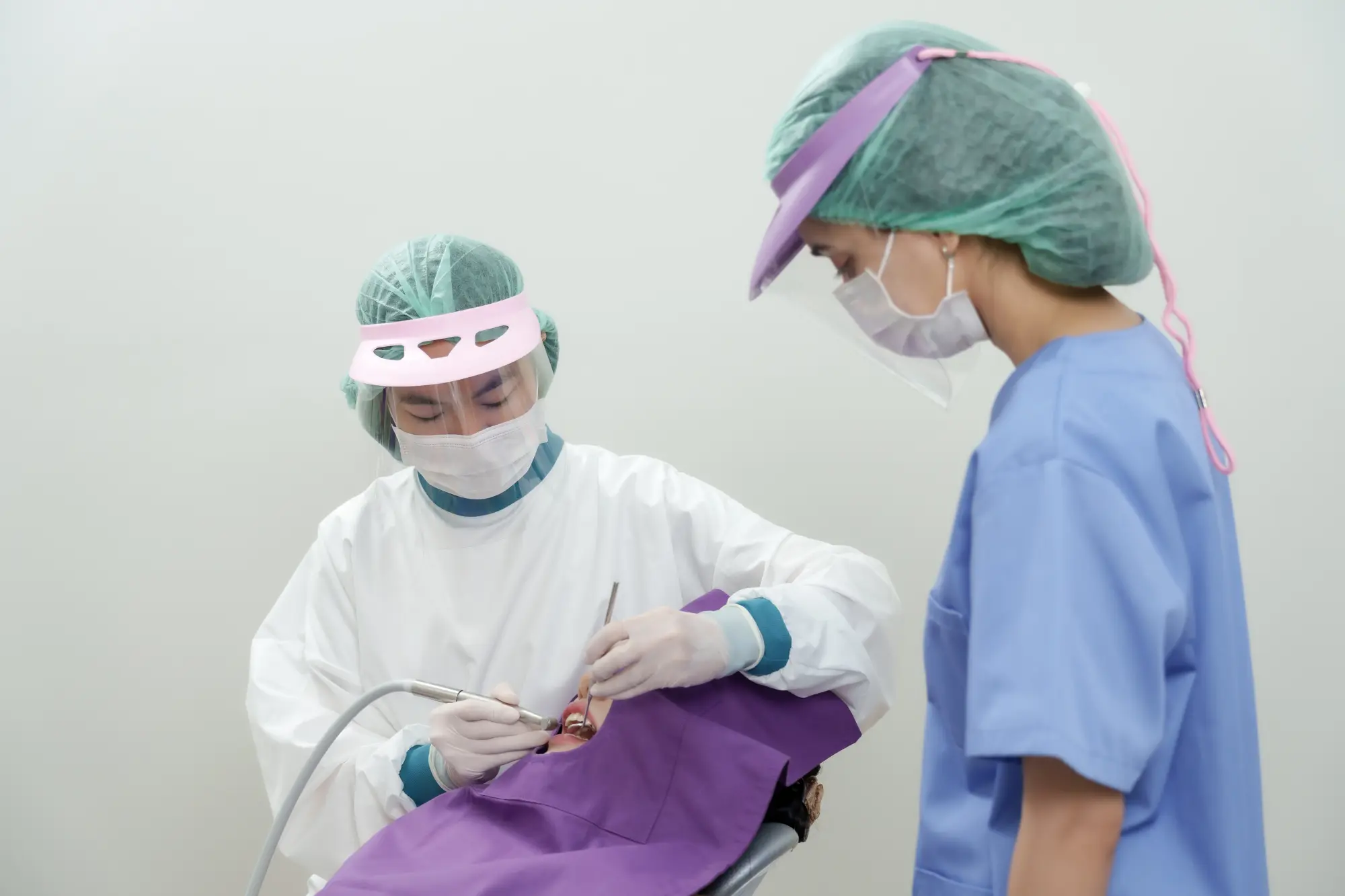
Imagine a hygienist notices an area of concern, uses an intraoral image or digital scan to show the patient what they are seeing, and begins an educational conversation. When the doctor enters, they are not introducing an unexpected problem. They are helping provide a solution to something the patient and hygienist have already begun discussing.
That changes the dynamic.
Instead of the patient hearing a recommendation for the first time from the person who will perform the treatment, they have multiple professionals aligned around the same clinical concern. The hygienist may explain it one way, while the doctor offers another perspective. Together, those conversations can make the information easier for the patient to understand.
The team becomes a unit rather than a series of disconnected providers.
Find Out What Matters to the Patient First
Clinical tools and assessments are important, but there is another step that should happen before the team starts explaining everything they see: understanding the patient.
What is most important to them?
Maybe it is comfort. Maybe they want their teeth to function better. Perhaps they are concerned about their smile, or their biggest priority is keeping their natural teeth for as long as possible.
Those priorities influence how we communicate.
The clinical recommendation may be exactly the same, but the conversation surrounding it can change depending on the person. A crown, for example, can be discussed in terms of comfort, function, appearance, or longevity depending on what the patient values most.
Once the hygienist understands that priority, tools such as digital scans, intraoral photography, and AI-supported technology can help connect the clinical finding to something the patient already cares about.
That is how education begins creating value.
Make Hygiene a Center for Patient Education
If a patient is confused, they are unlikely to move forward.
That is why communication skills are every bit as important as clinical skills in a high-performing hygiene department.
Hygienists have an extraordinary opportunity because of the amount of time they spend with patients. They can explain what they are seeing, answer questions, introduce solutions, and reinforce the importance of treatment before the doctor ever enters the room.
Technology makes that education even stronger.
An intraoral camera can help patients see an area of concern. A digital scan can give them a more comprehensive view of their mouth. AI tools can make certain findings easier to visualize and understand.
The technology itself, however, is only a tool. The real value comes from having a trained professional who knows how to use that information to create a clear conversation.
When patients can see what you see and understand why it matters, treatment becomes easier to understand and decisions become easier to make.
Look Beyond the Hygiene Appointment
A healthy hygiene department should not be evaluated solely by what happens in the hygiene column.
Think about the patient journey.
When a new patient calls a dental practice, one of the most common things they want is a cleaning. That hygiene visit may become their first significant experience with your clinical team. How the hygienist makes them feel, what they discover together, and how clearly the practice communicates can influence whether that person becomes a long-term patient.
The impact also extends into restorative care.
As Shannon explains, a healthy hygiene department can contribute far beyond its own direct revenue because the co-discovery process helps patients identify and understand other treatment needs. In their experience, for every dollar of hygiene revenue, roughly $2.50 to $3 may flow through restorative care.
That is why thinking about hygiene strictly as a cost center can be limiting. The appointment itself is only one part of the value the department creates.
Train Hygienists for the Dentistry You Want to Do
If you want your hygienists to participate in co-discovery, you have to give them the tools to succeed.
Suppose a doctor wants to begin treating more malocclusion with clear aligners. Those opportunities are likely walking through the hygiene department every day.
But has the hygienist been trained to recognize the signs of malocclusion? Do they know how to use the scanner effectively? Can they explain what they see in patient-friendly language? Do they understand why the doctor believes in the treatment?
If not, asking them to suddenly start having those conversations is unrealistic.
This is where doctor-hygienist partnership becomes essential.
The doctor determines the solutions the practice wants to provide, and then invests the time necessary to teach the hygiene team how to identify patients who may benefit and how to educate them around those opportunities.
It becomes a we conversation.
Support the Learning Curve
Expanding a hygienist's role takes training, repetition, and encouragement.
Many of the communication and assessment skills involved in co-discovery may not have been part of their original hygiene education. Learning them can feel uncomfortable at first, particularly for hygienists who care deeply about getting things right.
Doctors need to recognize that growth curve.
Acknowledge when someone handles a conversation well. Give feedback. Listen when something feels difficult. Continue reinforcing the clinical reasoning behind what you are asking them to do.
Most importantly, follow through yourself.
If you ask your hygienist to take intraoral images or complete a digital scan and then walk into the operatory without looking at them, you send a clear message that the process is not actually important. If you want the team to commit to a system, your actions need to reinforce it.
Build the Hygiene Department You Want
Hygiene is much more than a schedule of cleanings.
Done well, it can be one of the most powerful relationship-building, educational, and growth-driving parts of a dental practice.
That requires alignment between the doctor and hygienist, a shared standard of care, consistent assessment processes, strong communication, and ongoing training. It also requires doctors to view their hygienists as partners in the broader clinical vision of the practice.
When those pieces come together, patients receive a more connected experience. Hygienists become trusted advisors. Doctors can provide more of the dentistry they want to provide, and the entire practice benefits from stronger patient understanding and treatment acceptance.
At Fortune Management, we help doctors and teams build the alignment, systems, and communication skills that allow departments like hygiene to reach their full potential.
When you stop asking what your hygiene department costs and start asking what it can contribute, you begin to see just how powerful a growth engine it can become.